Nigeria is currently experiencing a renaissance in its rail transport sector, with the federal government revamping major railway infrastructure to boost exports and spur economic development. As a critical component of national growth, an active and efficient railway system is seen as one of the most viable ways to improve trade, connect various sectors, and facilitate the distribution of goods.
The article highlights several key projects that are changing the face of transportation in the country. The Lagos-Ibadan standard gauge rail is a 157km double-track line—the first of its kind in West Africa—that includes a crucial extension to the Apapa Port to promote export-oriented activities. Another vital project, the Abuja-Kaduna railway, has created an essential transport artery linking the nation’s capital with a major northern industrial city, significantly boosting trade and investment.
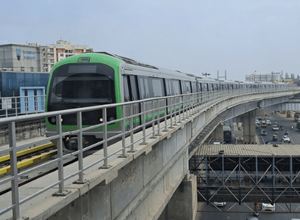
In addition to long-distance routes, new urban rail systems are also transforming daily life. The Lagos Blue Line Rail Project is the city’s first electric urban train, with its first phase already operational. Similarly, the Abuja Light Rail project, which was the first rapid transit system in West Africa, connects the city center to the international airport. The article also mentions the Port Harcourt-Maiduguri railway project, a $3.2 billion initiative to reconstruct and expand the railway connecting Nigeria’s south to the northeast.