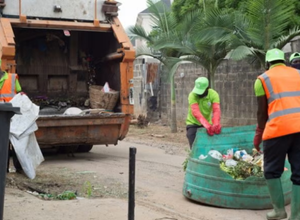
Nigeria has launched a new National Policy on Plastic Waste Management (NPPWM) as a bold step to address its growing plastic waste problem. The policy, introduced in 2021, provides a clear roadmap for reducing plastic waste and pollution by managing the entire lifecycle of plastics—from production to disposal. This initiative aims to not only reduce the volume of waste generated but also to promote recycling and reuse, viewing plastic as a valuable resource.
The NPPWM outlines several key goals, including improving waste management practices, reducing greenhouse gas emissions, and limiting the use of environmentally harmful single-use plastics (SUPs). The policy’s central objective is to transition Nigeria towards a circular economy, where plastic products are kept in use for as long as possible.
A core strength of the new policy is its emphasis on the role of local and state governments in driving change. While national regulations are important, the most effective actions for waste collection and recycling must be carried out at a local level. To assist, the NPPWM has provided flexible guidelines that focus on improving the collection and recycling of plastic waste while encouraging the reduction of single-use plastics. The success of this policy will depend on the active participation and collaboration of all stakeholders.