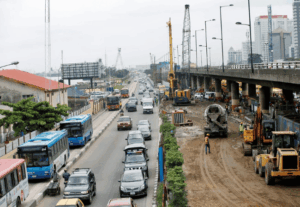
The Nigerian federal government has proposed a landmark ₦3.23 trillion allocation for road infrastructure in the 2026 budget, signaling a massive strategic pivot. This figure more than triples the ₦1.01 trillion allocated in 2025 and dwarfs the ₦548 billion spent just two years prior. The aggressive funding plan aims to complete over 2,600 inherited projects while initiating ₦600 billion in new roadworks across all six geopolitical zones to lower national haulage costs and boost trade efficiency.
Key economic arteries, including the Abuja–Lokoja, Kano–Maiduguri, and Enugu–Port Harcourt corridors, have received significant revitalization funds. In the South-West, over ₦12 billion is earmarked for the Ikorodu–Itoikin route, with an additional ₦7 billion dedicated to emergency repairs on the Eko Bridge. This shift positions highway construction as the anchor of national infrastructure, now outpacing both rail and housing in total capital allocation to address the country’s vast unpaved road network.
While the ambition is clear, industry experts emphasize that execution remains the primary challenge. To avoid the trap of abandoned projects, the government is implementing stricter monitoring milestones and leveraging multilateral loans for strategic routes like the Lafia Bypass. If successfully managed, this investment is expected to significantly reduce travel times and freight costs within two dry seasons, marking a definitive turning point for transport sector investment and regional connectivity in Nigeria.