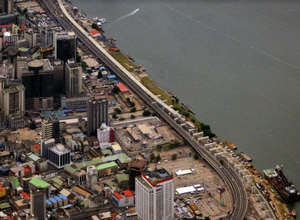
Nigeria is currently experiencing one of the fastest rates of urbanization in the world, with projections indicating that more than half of the population will live in cities by 2030. Major urban centers like Lagos, Abuja, and Port Harcourt are expanding rapidly as people migrate from rural areas in search of better jobs, education, and living conditions. This growth, while a sign of economic potential, is placing immense pressure on the nation’s urban environments.
The rapid influx of people has created a severe housing shortage, with demand for homes growing significantly faster than supply. This has also put a major strain on existing infrastructure, leading to frequent traffic congestion, power outages, and water scarcity. Furthermore, this unmanaged expansion contributes to environmental issues like flooding and a rising cost of living that makes urban life difficult for many residents.
To address these critical issues, the article proposes a multi-faceted approach. It suggests a combination of government-led affordable housing projects, public-private partnerships, and the use of innovative building technologies like 3D printing. The report also emphasizes the importance of learning from other African countries, such as Kenya and Rwanda, which are proactively planning for urban expansion. The final recommendation is a call for a bold, collaborative effort from all stakeholders—including the government, private sector, and communities—to ensure Nigeria’s cities are planned for people, not just buildings, to create a more livable, inclusive, and sustainable future.