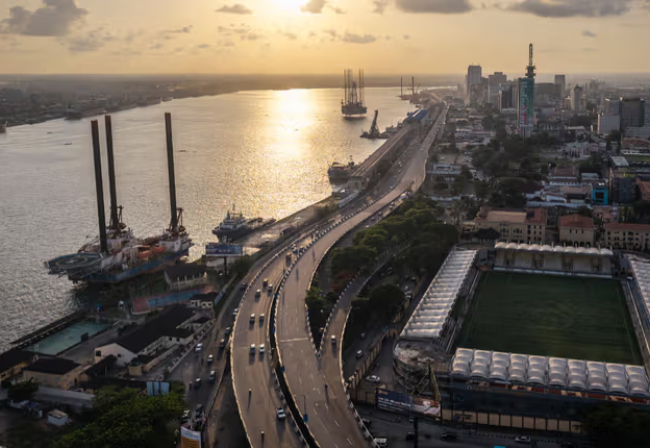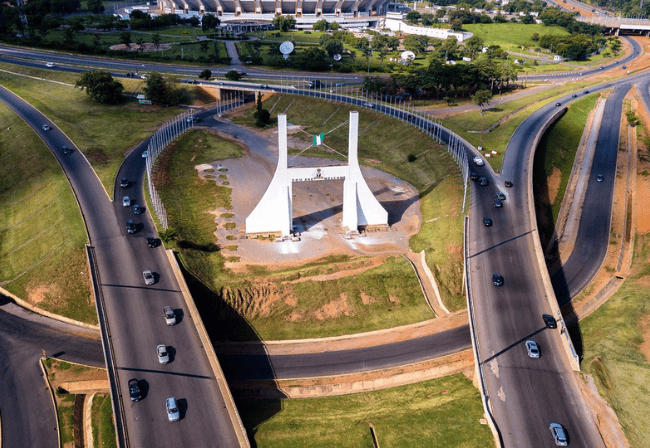
Standing as the gateway to West Africa, Nigeria is the continent’s largest country (as per population). Acting as a melting pot of commerce and culture, Nigeria’s landscape is largely evolving into a modern hub of the region’s trade businesses. With rapid urbanization led by current and upcoming construction projects, infrastructure developments and increased international investment, Nigeria is forging its future as a regional and global powerhouse.

a massive, proposed public-private partnership project located in Delta State, Nigeria. Its goal is to develop 31,000 hectares into a deep seaport, crude oil refinery, gas complex, free trade zone, airport, and other facilities to stimulate economic growth. This project aims to create a major economic gateway for Nigeria and potentially benefit other states by improving trade, commerce, and investment.
Source: ABiQ
The project involves the construction of a 1,400 km railway line connecting Lagos to Calabar in Nigeria. The railway line will link all seaports of the country and is expected to create business hubs for commercial activities. The project will help to create up to 200,000 local jobs during the construction and around 30,000 permanent posts, once operational. The project is also expected to create business hubs meant for commercial activities.
Source: ABiQ


This project is one of the many regional efforts to transform Africa’s power grid and bring large-scale energy supply to all areas within the country. The Geregu nuclear power plant is a twin-reactor nuclear power plant planned in Nigeria. The project foresees construction of two nuclear reactors supplied by Atomstroyexport and the plant would be located in Geregu, Kogi State.
Source: ABiQ
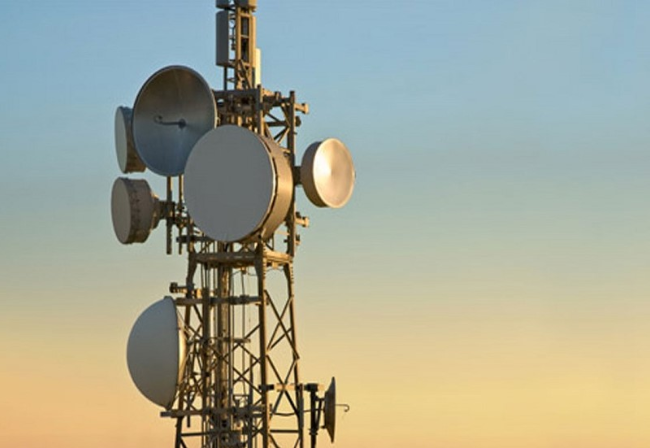
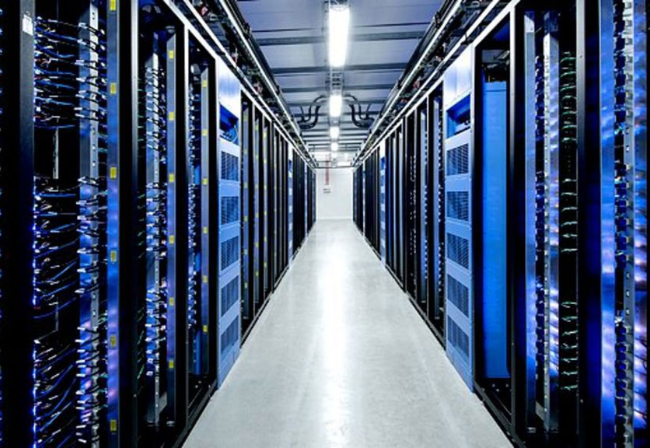
Nigeria is undertaking an ambitious expansion of its fibre optic infrastructure, primarily through a project called Project Bridge, which aims to add 90,000 km of new fibre by 2030 to connect all 774 local government areas. This initiative, launched in 2025, seeks to improve digital connectivity and accessibility, boost competition among internet service providers (ISPs), and support the growth of the digital economy.
Source: ABiQ